
Structural health monitoring for high-rise buildings
A monitoring system records how a tall building actually moves under earthquake and wind, so that engineers can compare measured behaviour with the design model and follow changes over time.
Request a quote
Why monitor a tall building
Tall buildings respond to wind every day and to earthquakes occasionally, including distant events whose long-period ground motion can be close to the building's own periods. Design models predict this behaviour; a monitoring system measures it. The comparison shows whether the building behaves as designed and whether its dynamic properties change over time.
Regulatory context in Türkiye
Under the Turkish Building Earthquake Code (TBDY 2018), high-rise buildings designed under its special rules for tall buildings must be equipped with a structural health monitoring system. Acceleration data from these systems is transmitted to AFAD's Structural Health Monitoring Centre. The sensor layout is defined for each building in its monitoring project.
What is measured
From sensor to report
Data from the nodes goes to the Healthy Structures IoT Platform, where it is stored, analysed and shown in the browser. The platform produces customisable alarms, event reports and monthly maintenance reports, and offers API integration with existing management systems.
After an earthquake
Each node stores the earthquake record and the platform issues an event report. With the Static Digital Twin package, the recorded motion is applied to the building's ETABS model automatically and an elastic analysis reports demand against capacity for each column and beam. The results support the engineer's decision on further inspection; they do not replace it.
Products that can be used in this solution
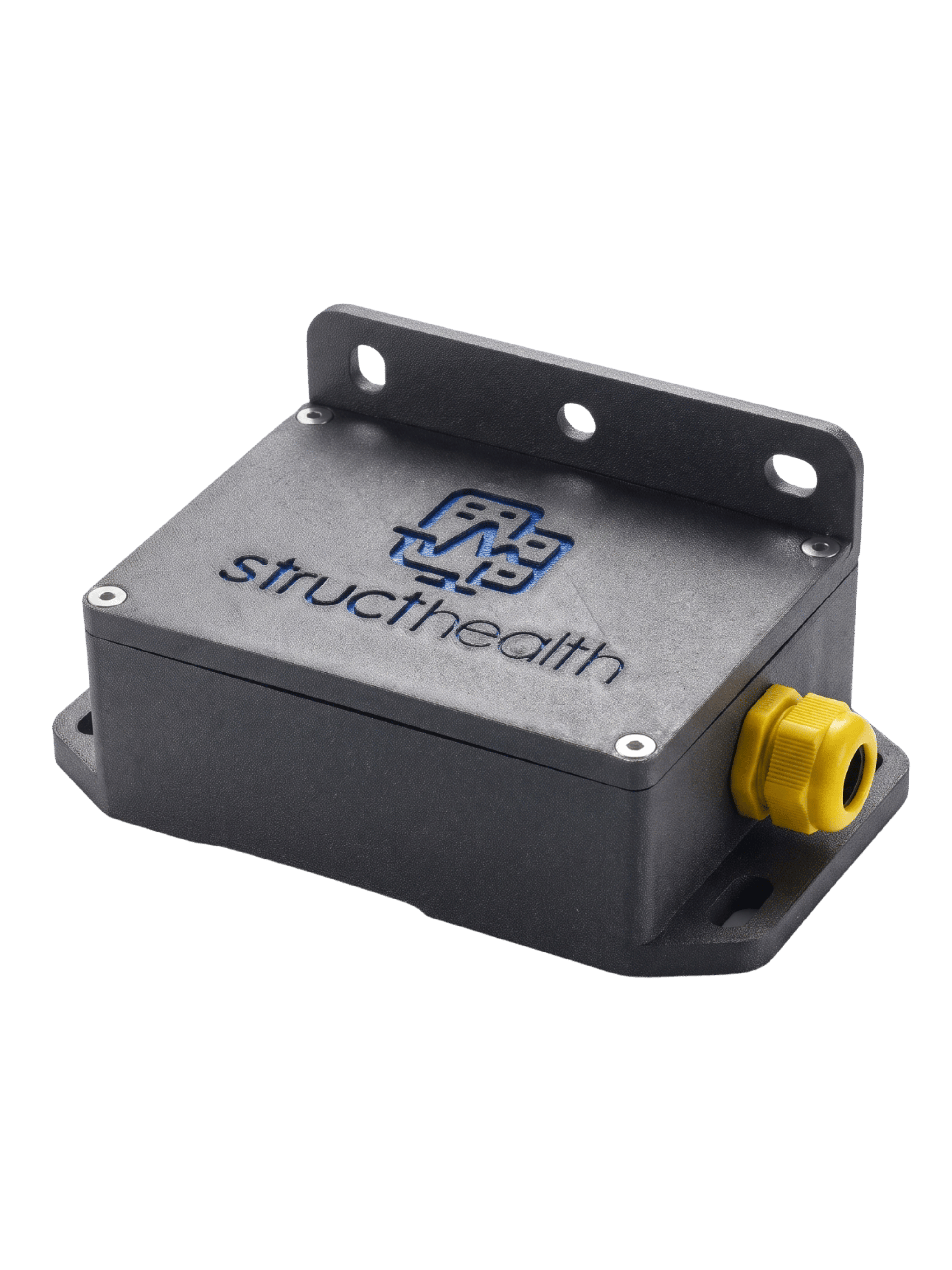
StructSense
Four three-axis nodes, 25 to 0.02 µg/√Hz noise density
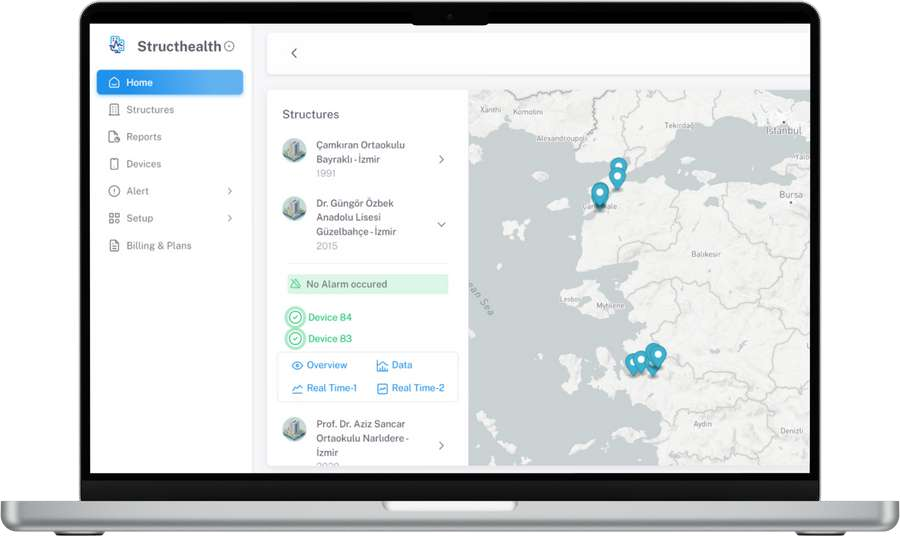
Healthy Structures IoT Platform
Analyses, alarms, reports and modal analysis

Static Digital Twin
Automatic elastic analysis with measured earthquake data
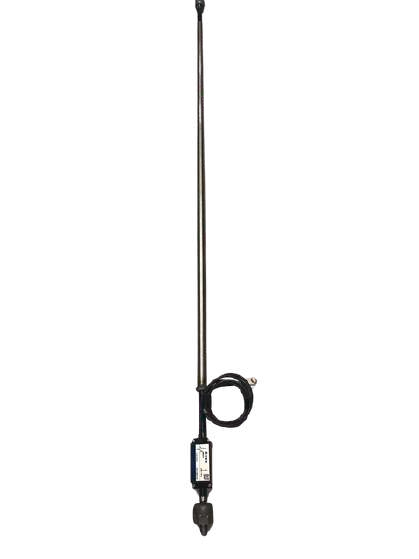
Struct-Tilt
MEMS inclinometer, 0.005° resolution
Monitoring data supports the structural engineer's assessment. Decisions about the condition of a structure remain with the engineer.